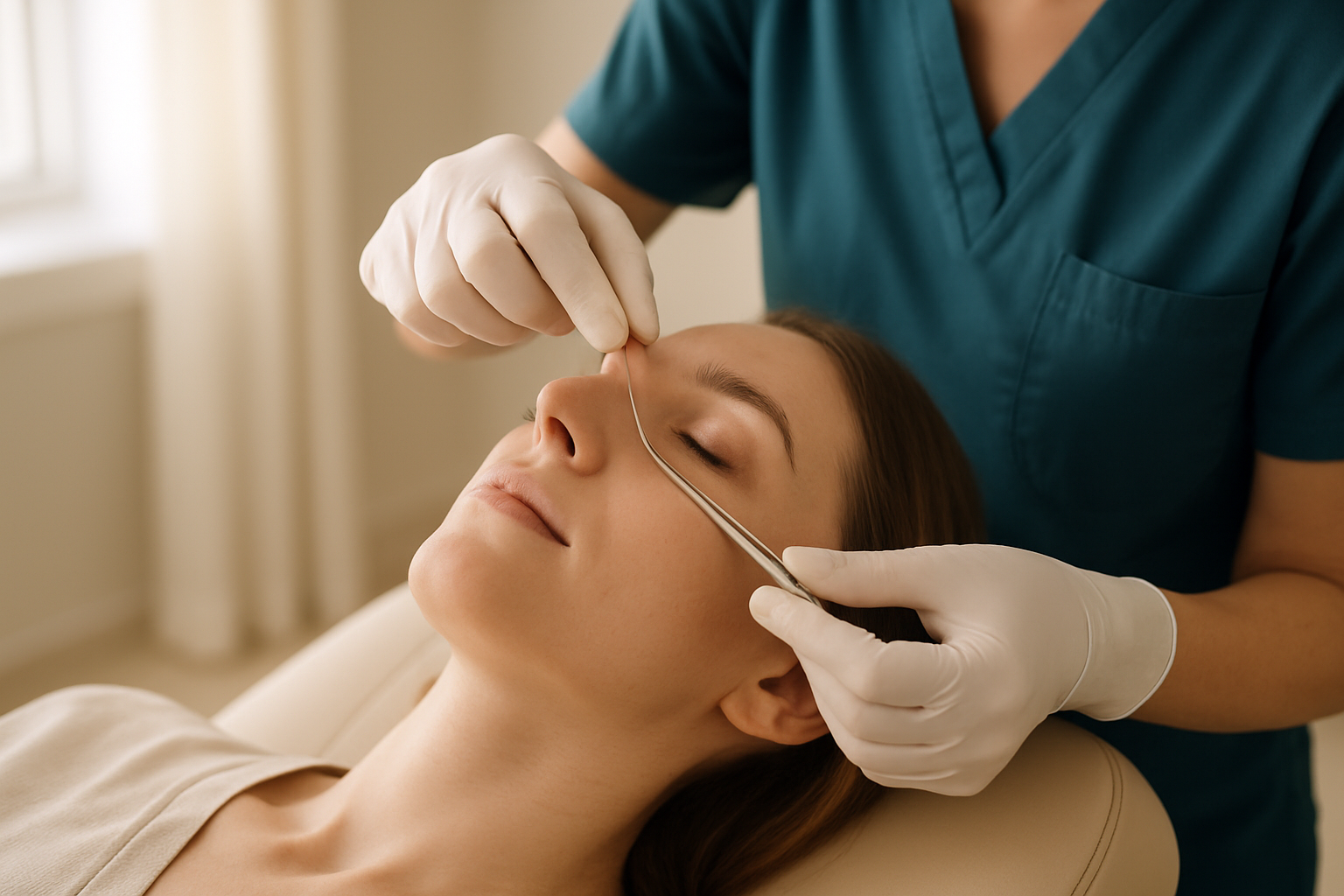
Recovery after rhinoplasty takes longer than most people expect — and understanding the rhinoplasty recovery timeline before your procedure makes the whole experience far less stressful. Most of the visible swelling settles within a few weeks, but your nose continues refining itself for up to a year, sometimes longer. That gap between "feeling better" and "fully healed" is where a lot of patients get confused or unnecessarily worried.
Knowing what to expect at each stage helps you plan your life around surgery rather than letting surgery disrupt it. You'll know when it's safe to return to work, when exercise is back on the table, and when the result you see in the mirror is actually close to your final outcome. Every patient heals at their own pace, but the general milestones are consistent enough that having a clear picture upfront gives you confidence throughout the process.
What Is Rhinoplasty Recovery Timeline?
Rhinoplasty recovery timeline refers to the staged process your body goes through after nose surgery — from the moment you leave the operating room to the point where your final results are fully visible. It's not a single event. It's a journey with distinct phases, each bringing its own changes, milestones, and expectations.
Understanding this timeline matters because rhinoplasty is one of the more complex facial procedures to heal from. The nose sits at the center of your face, involves delicate cartilage and bone, and swells in ways that can feel alarming if you're not prepared. Knowing what's coming makes the whole experience far less stressful.
The recovery period generally spans anywhere from a few weeks to a full year. That range might sound wide, but there's a good reason for it. The initial healing — bruising, swelling, and the removal of splints — happens relatively quickly, usually within the first two to three weeks. But the deeper, subtler refinements your nose goes through? Those take much longer. Residual swelling can linger for months, quietly resolving until your nose reaches its permanent shape.
Context matters here too. Every person heals differently. Your age, skin thickness, the complexity of your surgery, and how well you follow post-operative instructions all influence how your timeline unfolds.
Think of rhinoplasty recovery not as a countdown to getting your life back, but as an active part of the process itself. When you understand each phase, you can move through it with patience and confidence.
Key Benefits of Rhinoplasty Recovery Timeline
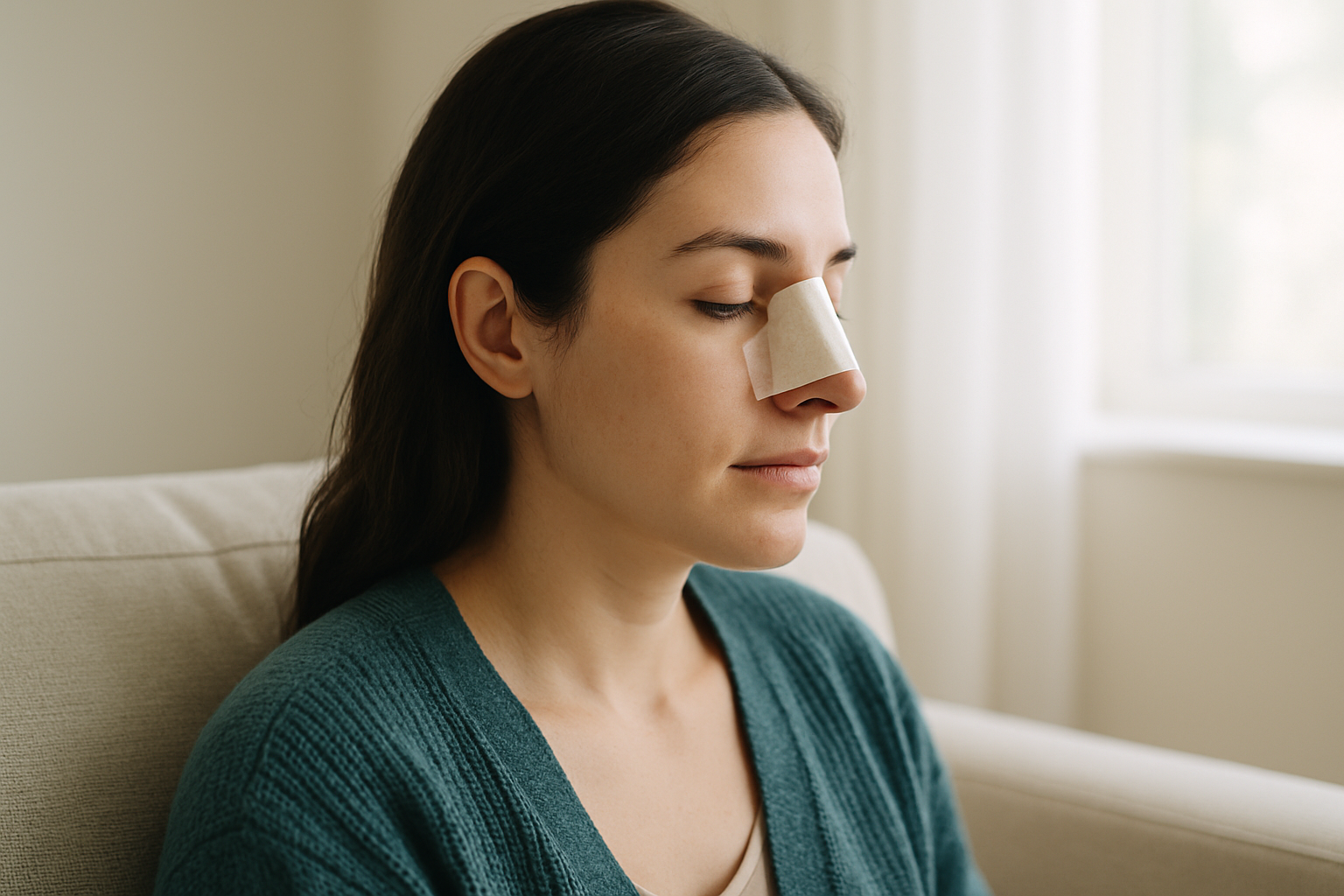
Understanding your rhinoplasty recovery timeline before surgery is one of the smartest things you can do. It takes the guesswork out of the process and replaces anxiety with a clear, manageable plan.
You know what to expect at every stage. The first week brings swelling, bruising, and a splint. Weeks two through four, you start looking more like yourself. By month three, most of the dramatic changes are visible. And by the one-year mark, your final result is fully revealed. Knowing this in advance means you won't panic when day five looks rougher than day two — because that's completely normal.
Planning becomes much easier. When you understand the timeline, you can schedule time off work with confidence, arrange childcare, and plan around important events. Nobody wants to be at a wedding two weeks post-op feeling self-conscious. A solid timeline helps you protect the moments that matter.
It supports better healing outcomes. Patients who follow a structured recovery timeline tend to heal more smoothly. Why? Because they know when to rest, when gentle activity is safe, and when to call their surgeon. They're not improvising. That awareness reduces the risk of complications caused by returning to normal life too soon.
Your mental health benefits too. Recovery from any surgery can feel isolating. Having a roadmap gives you something concrete to track. Each milestone — splint removal, returning to work, resuming exercise — feels like a genuine win rather than just waiting for time to pass.
It builds realistic expectations. Final results from rhinoplasty take time. Understanding this upfront prevents disappointment during the months when swelling is still resolving. Patients who know the timeline are far more likely to feel satisfied with their results, simply because they gave healing the space it needed.
How Rhinoplasty Recovery Timeline Works
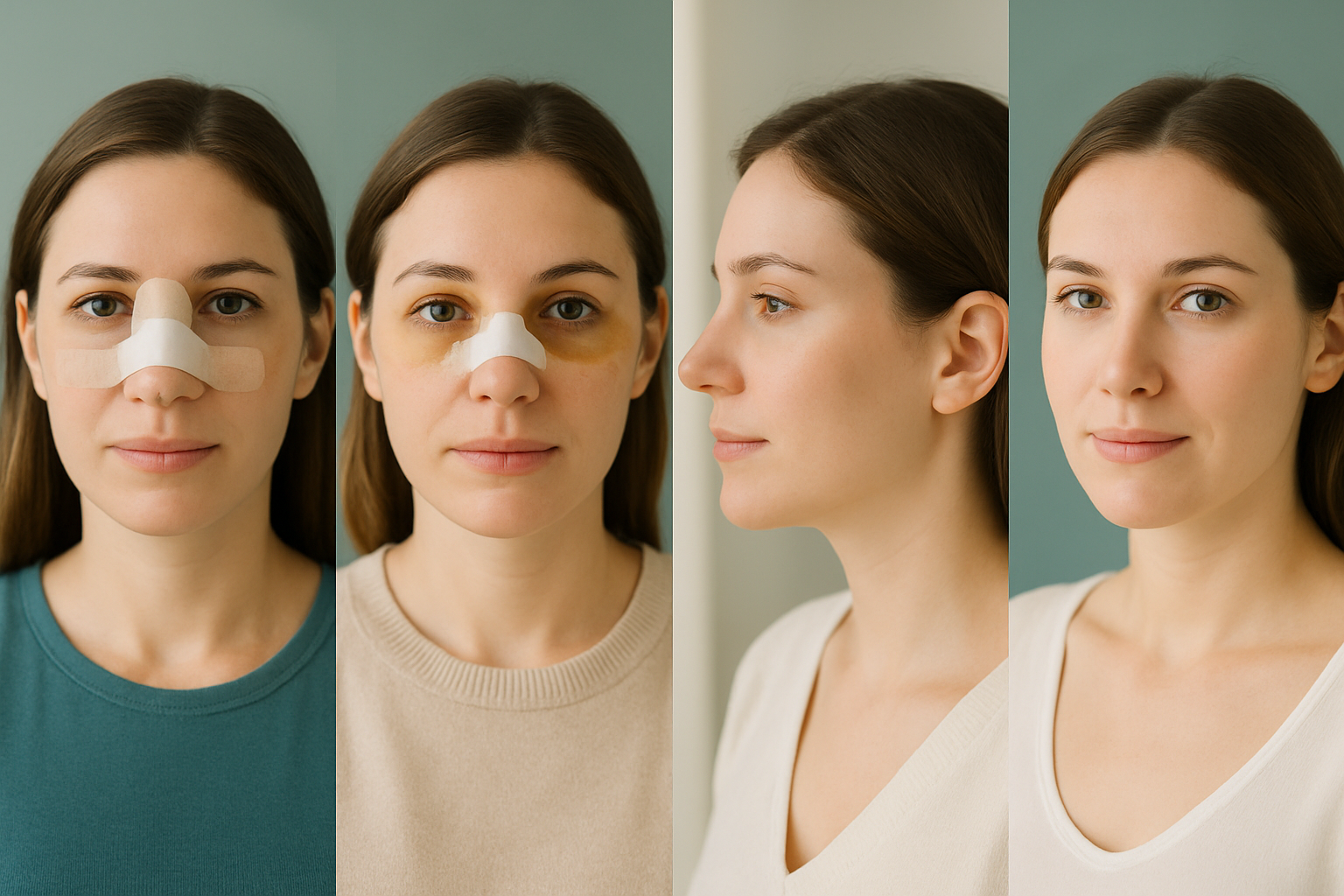
Your body follows a fairly predictable healing sequence after rhinoplasty, though the exact pace varies from person to person. Understanding what's happening beneath the surface makes the whole process feel much less mysterious.
The first week is the most intense. Swelling peaks around days two and three, and bruising is at its worst. Your surgeon will place a splint over your nose to protect the new structure while the tissues stabilize. Rest is non-negotiable here. Your body is directing enormous energy toward initial healing, so fatigue is completely normal.
By weeks two and three, the visible bruising fades significantly. Most people feel comfortable returning to desk work and light daily activities. The splint typically comes off around day seven or ten, which is often the first real glimpse of your results — though swelling still distorts the final picture considerably.
Months one through three bring gradual refinement. The nose softens as deeper swelling slowly resolves. You can return to moderate exercise around week four to six, with your surgeon's approval. Social confidence usually rebounds during this window because the dramatic post-surgery appearance has passed.
The subtler changes happen between months three and twelve. Skin slowly conforms to the underlying cartilage and bone, and definition gradually sharpens. This is where patience really matters.
Full results — particularly tip refinement — can take twelve to eighteen months to fully emerge. Thicker skin types tend to take longer because the skin itself needs more time to shrink and adapt.
The recovery timeline works in layers: first the acute healing, then functional recovery, then the long slow refinement of aesthetics. Each phase builds on the last. Trusting this sequence, and following your surgeon's guidance closely, gives your nose the best possible environment to heal beautifully.
Common Questions About Rhinoplasty Recovery Timeline
How long does rhinoplasty recovery actually take? Most people return to desk work and light daily activities within 10–14 days. Visible swelling and bruising fade significantly by week three. However, full healing — where your final result becomes truly clear — takes closer to 12 months. The nose is a slow healer, and that's completely normal.
When will I stop looking swollen? The majority of swelling resolves within 6–8 weeks. You'll look like yourself again, and most people around you won't notice anything unusual. That said, subtle puffiness lingers, especially at the tip. This gradual refinement is actually a good thing — it means your result keeps improving.
Can I exercise during recovery? Light walking is fine after the first week. Most surgeons clear patients for moderate cardio around the 4–6 week mark. High-impact activities, contact sports, and anything that risks bumping your nose should wait until at least 3 months post-surgery.
Will I need to take much time off work? If your job involves sitting at a desk or working from home, two weeks is usually enough. Physical jobs or roles requiring heavy lifting typically need 4–6 weeks of downtime.
Does everyone heal on the same schedule? No, and this is worth knowing upfront. Skin thickness, age, surgical complexity, and how well you follow aftercare instructions all influence your timeline. Your surgeon's guidance will always be more relevant than general timelines — every recovery is genuinely individual.
Conclusion
Recovering from rhinoplasty takes time, but it's a process with a clear shape to it. The first two weeks bring the most visible swelling and bruising. By month three, you'll look and feel dramatically better. Full refinement quietly continues for up to a year.
A few things worth remembering:
- Swelling is normal and deceptive — your final result isn't visible right away
- Following your surgeon's aftercare instructions genuinely speeds healing
- Patience in the early weeks protects the outcome you worked toward
Most people find the recovery far more manageable than they expected going in. Discomfort is real, but it's temporary. The timeline moves faster than it feels in those first tender days.
If you're seriously considering rhinoplasty, the best next step is a consultation with a board-certified surgeon. Bring your questions, share your goals, and get a recovery plan tailored specifically to you.